
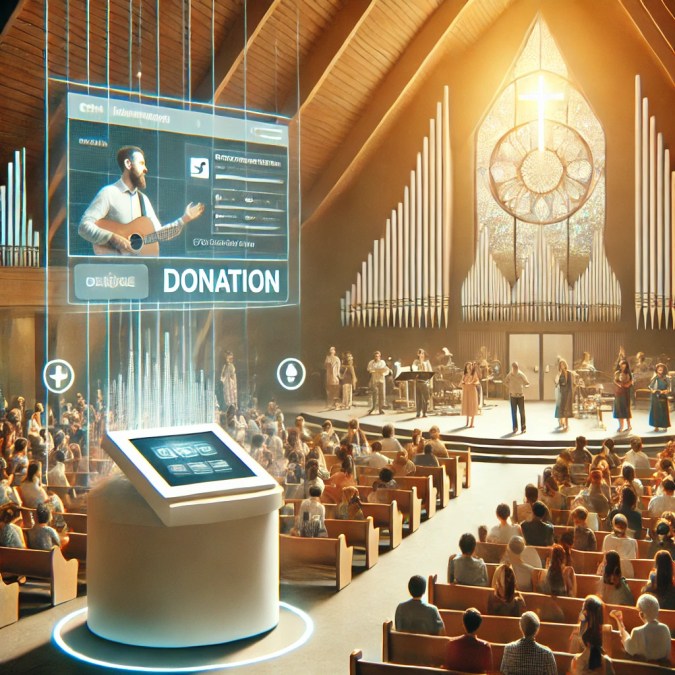
In an increasingly digital world, churches must adapt to new ways of engaging with their congregations and expanding their reach. Advanced web services can significantly enhance church outreach, providing a platform to connect with members, attract new visitors, and foster a sense of community. In this blog, we explore how modern digital solutions can help churches effectively spread their message and grow their ministries.
The Importance of an Updated Church Website
A church’s website serves as its digital front door. A well-designed, informative, and engaging website can:
- Provide essential information about service times, location, and events.
- Offer live streaming and recorded sermons for remote worshipers.
- Facilitate online giving and donations.
- Serve as a hub for community engagement and communication.
Ensuring that a church’s website is user-friendly, mobile-responsive, and regularly updated is crucial for maintaining an active online presence.
Utilizing Live Streaming for Services
Live streaming has become a game-changer for churches, enabling them to reach individuals who cannot attend in person. By offering high-quality live streams of services and events, churches can:
- Connect with homebound members and distant believers.
- Expand their audience beyond geographical limitations.
- Provide sermon replays for continued engagement.
Platforms such as YouTube Live, Facebook Live, and dedicated church streaming services offer accessible and cost-effective ways to broadcast worship services.
Implementing Online Donation Platforms
Online giving has become essential for churches, providing a convenient way for members to support their ministries. Digital donation platforms allow churches to:
- Offer multiple giving options, including one-time gifts and recurring donations.
- Integrate secure payment processing.
- Track contributions and generate reports for financial transparency.
Popular donation services such as Tithe.ly, PayPal, and Pushpay can streamline the giving process and encourage greater financial support.
Engaging the Congregation Through Social Media
Social media is a powerful tool for church outreach and engagement. Churches can utilize platforms like Facebook, Instagram, and Twitter to:
- Share daily devotionals and inspirational messages.
- Promote upcoming events and programs.
- Foster a sense of community by encouraging member interactions.
- Use targeted ads to reach new audiences.
Creating a consistent social media strategy helps churches stay connected with their members and attract potential visitors.
Search Engine Optimization (SEO) for Greater Visibility
SEO is a vital aspect of digital outreach. By optimizing their websites with relevant keywords, churches can improve their search engine rankings and attract more visitors. Key SEO strategies include:
- Using relevant keywords such as “church near me,” “Sunday service online,” and “Christian community.”
- Creating valuable content through blogs, testimonials, and event pages.
- Ensuring fast loading speeds and mobile-friendly website designs.
The Role of Email Marketing
Email newsletters remain one of the most effective ways for churches to communicate with their members. Through email marketing, churches can:
- Send weekly updates and reminders about upcoming services.
- Share encouraging messages and scripture reflections.
- Provide links to recent sermons and digital resources.
By leveraging email automation tools, churches can personalize communication and maintain strong relationships with their members.
Conclusion
By embracing advanced web services, churches can effectively enhance their outreach, engage with their communities, and expand their ministries. Investing in a strong online presence through a well-maintained website, live streaming, social media, SEO, and digital giving platforms can help churches fulfill their mission in the digital age.
Churches looking to enhance their digital outreach should consider partnering with web service providers that specialize in church websites and online engagement solutions. By leveraging these tools, they can create a thriving and connected faith community.
Sources:
- Barna Group. (2024). “The Digital Church: How Technology is Transforming Ministry.”
- Pew Research Center. (2023). “Trends in Religious Engagement in the Digital Age.”
- Lifeway Research. (2024). “Church Growth Strategies in the 21st Century.”
Related from DirecTech: technology for churches & nonprofits. One provider, one bill — call 1-866-832-7117 or get in touch.
